Contact us
Follow us:




Being waved over by traffic police in a rental car in an unfamiliar place can be unsettling, but knowing the steps in advance keeps it short and simple.
A routine traffic check is usually quick when you stay calm and have your documents ready. This guide offers friendly steps for renters.

Photo: Traffic officer at a crossroad by Vinnie Cartabiano, CC BY 2.0, via Wikimedia Commons.
Payments are made through official channels, and it is wise to keep the receipt. Camera-based notices go to the registered owner and may be passed on to you; see notices and rental cars and documents.
Review the main rules in our reference table and keep the paperwork in one folder. If you want fewer details to handle, travel with a driver who takes care of the paperwork.
Tip from Car Rental Vietnam: Save the rental company's number in your phone; if the officer needs the vehicle papers confirmed, you can call straight away.
Licence, vehicle registration and rental paperwork.
Yes.
The registered owner.
Want someone else to handle the paperwork? Send your pickup point, group size and dates; quotes include the driver's wage and road tolls, and our team confirms everything with you before you book.
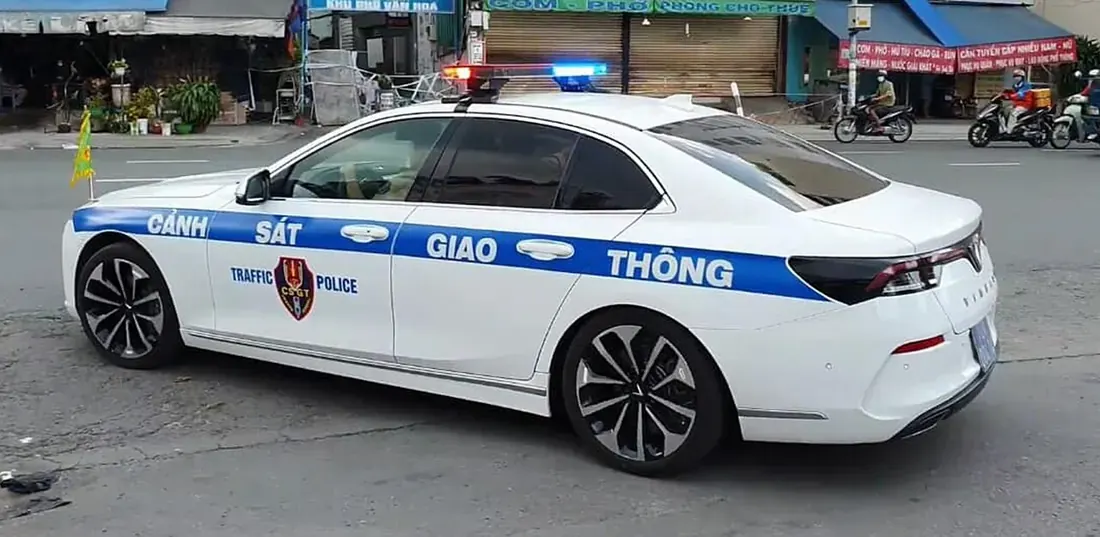
Before you drive off, make sure these are in the car or on your phone: your licence (and an international permit accepted in Vietnam, if you are a visitor), passport or ID, the vehicle registration copy, the compulsory insurance certificate and the rental contract with our contact number. If you are stopped, stay calm, switch off the engine, keep your hands visible and hand over the documents requested. If a fine is issued, ask for the written record and send us a photo so we can help with the next steps. See IDP rules 2026 and pickup checklist.
Before taking a self-drive rental, ask which documents are kept in the vehicle and which ones you need to carry yourself. Check the plate on the registration against the car and your handover record. If the company switches cars at pickup, repeat the check and keep the handover details for the replacement. Article 56 of Vietnam’s Road Traffic Order and Safety Law covers the driver’s licence and vehicle documents, including registration, inspection certification where applicable and compulsory motor liability insurance. Where eligible documents are integrated into an electronic identity account, the law allows presentation through that account. Ask the handover team what form of proof is available for your vehicle. Article 56 of the Road Traffic Order and Safety Law.
The rental agreement and handover record can help you explain why you are using the car. Keep the booking reference and rental support number together, and ask whether the company has a contact outside its normal hours. For a group with more than one intended driver, check the rental agreement and the licence requirements for each person before collecting the vehicle. Do not rely on one traveller having made the reservation to settle questions about who may drive it.
If police signal you to stop, follow their directions and stop where instructed. If you need help understanding a question, ask for it to be repeated or ask whether an interpreter can help. If you receive a written record or a notice, keep a copy and note its reference number, the date, the location and the issuing authority. Ask what action is expected next and whether there is a deadline or a place you should contact. The rental team can help identify the paperwork for its car. The issuing authority is the source for instructions about its own notice.
For example, if you are travelling in a replacement car and the rental agreement initially showed a different plate, have the replacement handover record ready when you contact the company. Give the actual plate and booking reference. If the stop means you may miss the agreed return time, tell the rental company when you expect to arrive and keep the updated return instructions. A written record of the return can also help if a separate camera notice arrives later.
If an official penalty is payable, confirm the authorised payment route and keep your receipt. If the rental company later asks you to pay an additional amount, request an itemised explanation and the relevant agreement terms. This helps you see whether you are discussing a penalty, an agreed rental charge or an amount already settled. For camera-based notices received after a trip, read our traffic camera fines guide for rental cars.
Before reserving a self-drive car, send us your route, rental dates and pickup location. Ask which documents you should have ready and how to reach the rental team if the car’s paperwork needs to be checked during your trip. Send a rental request.
Real cars at the Car Rental Vietnam depot


 Book a car


